I've been living in San Isidro de Grecia, Costa Rica, since I retired in early 2011, and I've never looked back!
My now ex-wife and I decided in the early 2000s that we were not thrilled about the direction that we perceived the United States to be heading in and started thinking about where else we might want to retire. We, well, mostly my ex, started thinking about where might be a good location and when we vacationed outside the U.S., we started kind of considering whether we might want to live there.
To be honest, I am a pretty boring individual and on my own would probably never have considered such a rash move, but Cindy is a much more adventurous individual and I was up for going along. We thought about Canada and Mexico but when we vacationed here in 2008 we kind of fell in love with it. We thought briefly about other Central American countries but did not want to be part of a rich elite and Costa Rica seemed to have a larger middle class.
The fact that Costa Rica averages in excess of 100 inches of rain per year also appealed to us, having lived in always-on-the-verge-of-drought Southern California.
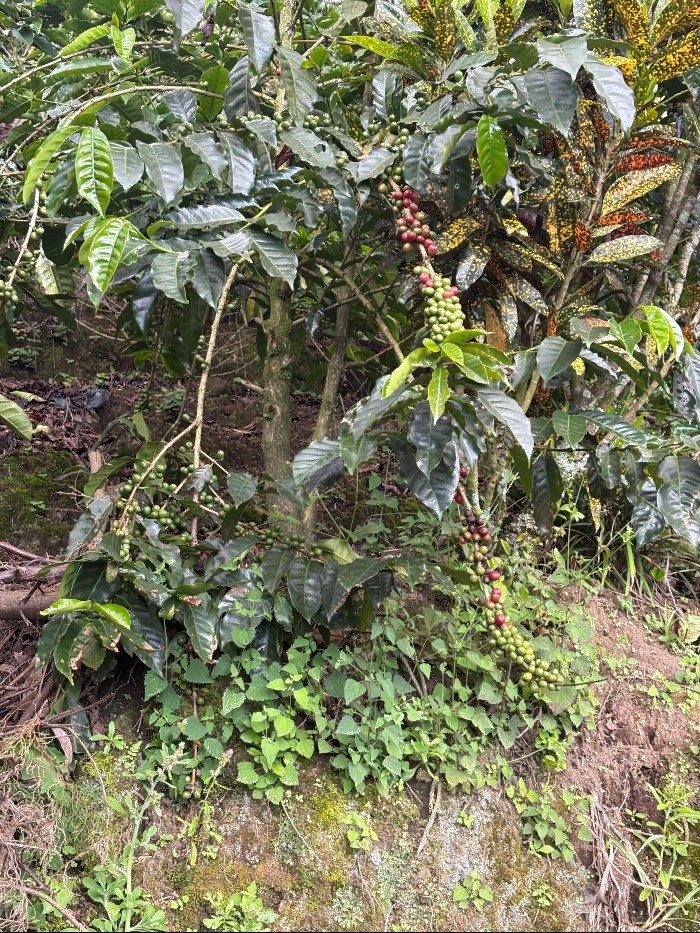
My house is located at about 4000 feet above sea level, and the climate is just perfect—no need for heating or air conditioning, which keeps my utility bills super low. It’s a pretty rural area, mostly covered in coffee fincas (farms). It’s about a 20-minute drive from central Grecia.
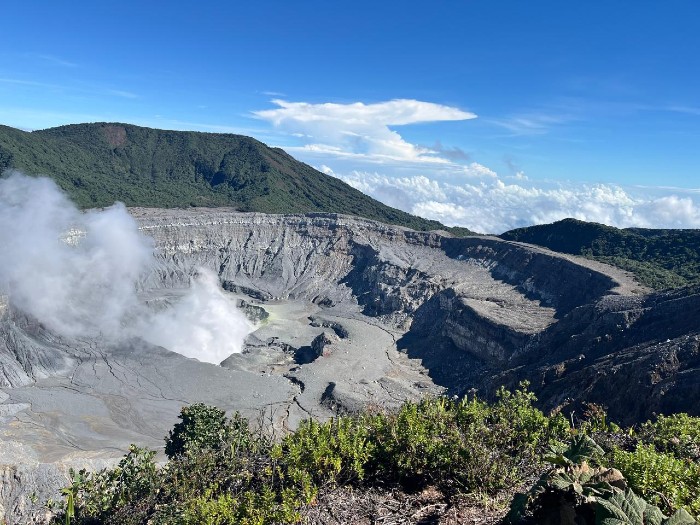
San Isidro de Grecia is located below Volcan Poás, which, while not actively erupting, is definitely not sleeping. You can sometimes see steam and ash being released, and there’s even a hint of sulfur in the air occasionally. If you leave your car uncovered, it might even have a light dusting of ash on it from time to time. Poas is one of about 6 or 7 volcanoes in Costa Rica.

Costa Rica is situated between Nicaragua to the north and Panama to the south, and it’s roughly 2600 air miles (according to Alaska Airlines) from LAX. Spanish is the official language, but many Ticos speak English, so I’ve learned less Spanish than I probably should have. The population of Costa Rica is a little over 5 million, which is about half of Los Angeles County’s population. There are estimated to be between 70 and 120 thousand Americans (I’m not a fan of that term because Costa Ricans are Americans to us since they live in Central America, but I’m getting off track). They actually have a word in Spanish for us: Estados Unidos.
The seasons in Costa Rica are quite interesting! They usually only mention two: invierno (winter) and Verano (summer). What’s cool is that even though Costa Rica is in the northern hemisphere, invierno is roughly from April to late October/early November, and Verano is from November through March/early April. This is definitely the case where I live in the Central Valley. So, actually, the days are longer during invierno! It’s called invierno because it’s the rainy season—we get over 100 inches of rain on average.
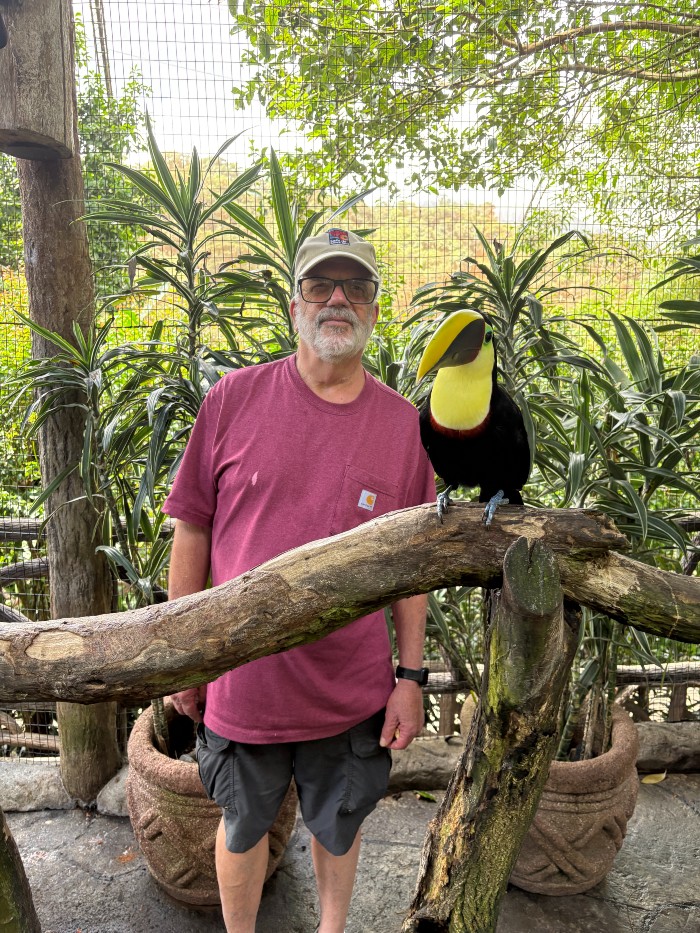
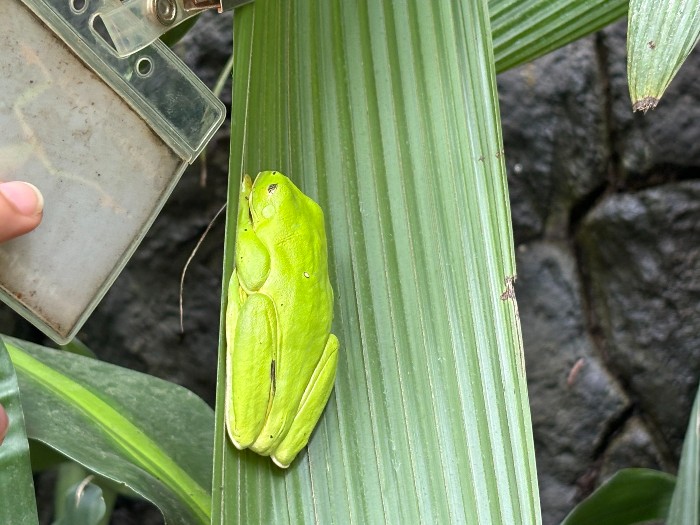
There are lots of beautiful beaches here in CR, but honestly, I wouldn’t want to live there because it’s usually super hot and humid. It’s still nice to visit, though! I know there are amazing surfing beaches. But, there are so many different kinds of animals and birds that you don’t see at higher elevations. There are basically as many bird species as there are in the U.S., even though CR is only about 12.5% the size of California.

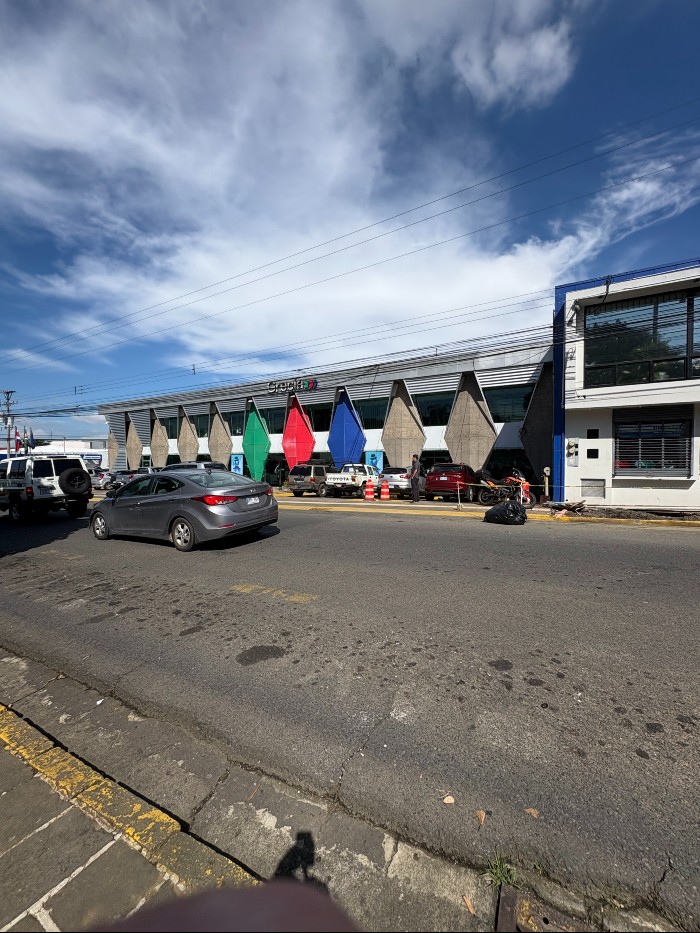
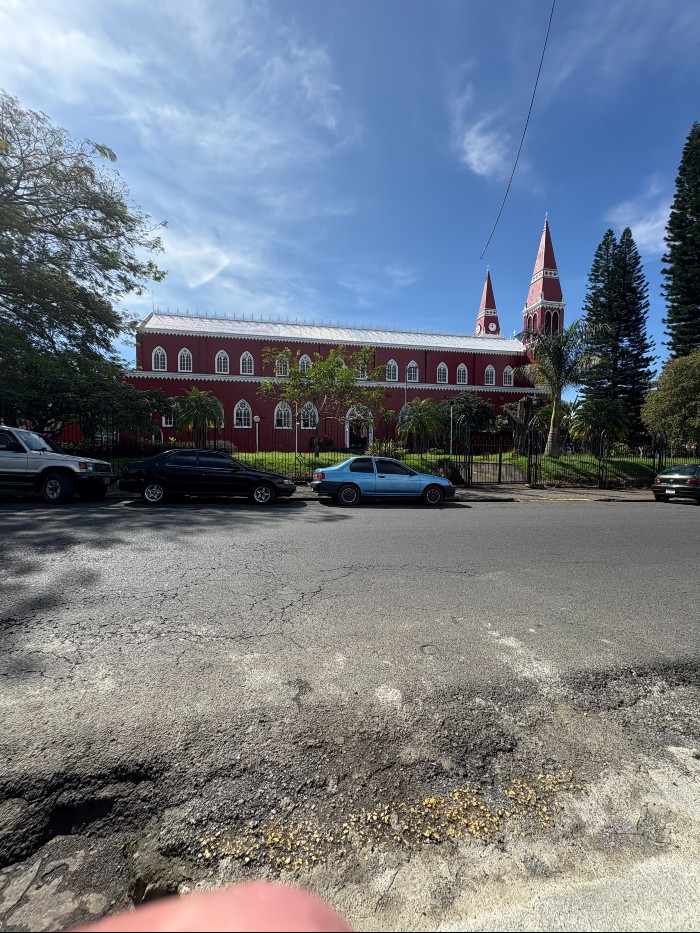
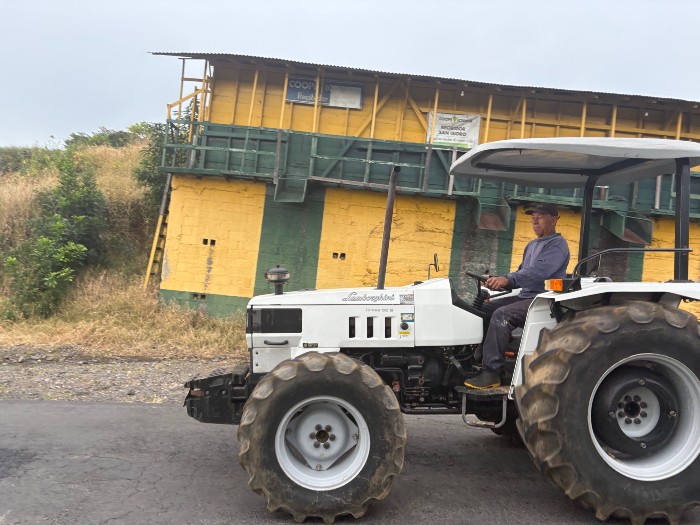
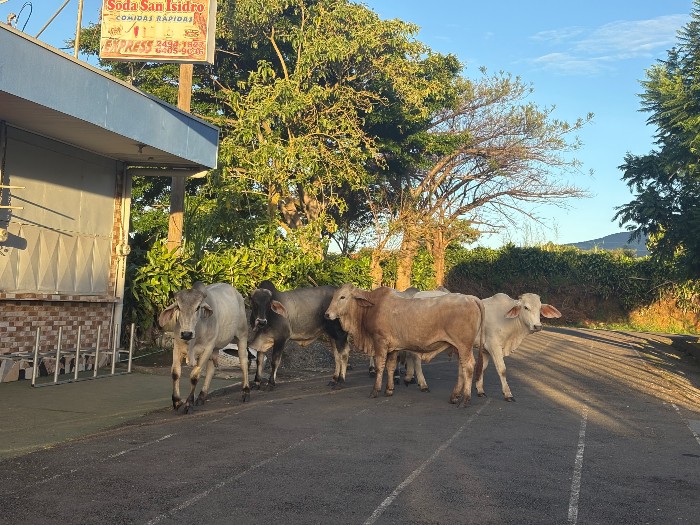
Traveling here can be a bit tricky because the roads aren’t always in the best shape, especially compared to California. There are not many roads with more than one lane in each direction, and it’s more like 80% of a lane in each direction. Plus, since it is a relatively poor country, there are a lot of old vehicles on the road, and trucks, in particular, often travel super slowly. You should always expect it to take longer to get from A to B than it would at home. And in rural areas like where I live, you’ll often see farm vehicles on the road, especially during sugar cane harvesting season. Bicycling is also popular here, and on the narrow, two-lane roads, it can slow things down.
There are so many fun things to do, like hiking, biking, zip-lining, fishing (which is not really my thing), visiting waterfalls, and more. There is also a feria de agricultura (farmer’s market) every Friday in Grecia where I do most of my food shopping and a lot of socializing with both locals and gringo expats.
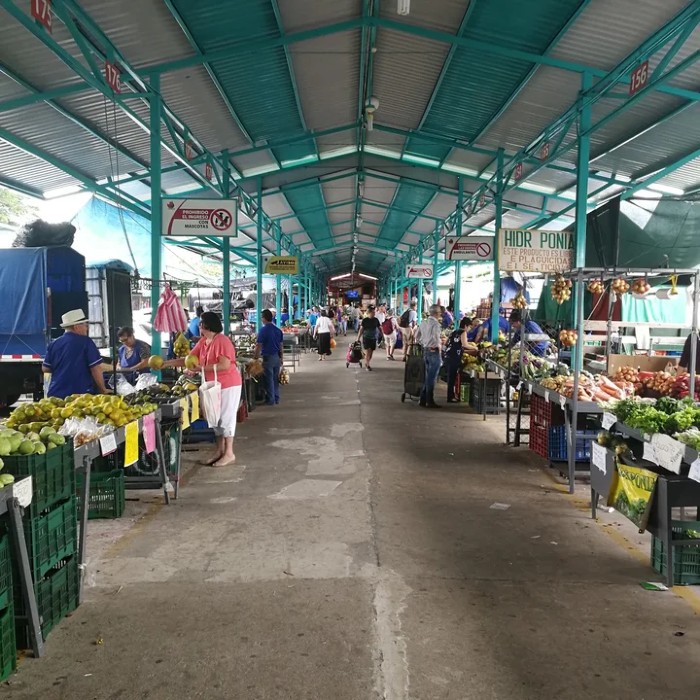
The people here are so incredibly friendly, it’s a real pleasure to get out and hang out with them. I walk every day down to the local football (soccer) field and do a few laps, and then walk back. So many people in cars, on motorcycles, or on foot greet me, and it’s just such a joy. I meet so many people and make new friends along the way.
I absolutely love living here, and I have no plans to move back!
位置
単語
フラッシュカードドリル-
My sister is adventurous and loves to travel alone.私の妹は冒険好きで、一人旅が大好きです。
-
He made an adventurous decision to move abroad.彼は海外へ移住するという冒険的な決断をしました。
-
They live in a rural area far from the city.彼らは都市から遠い田舎の地域に住んでいます。
-
Rural roads are often narrower than city roads.田舎の道路は、都市の道路より狭いことが多いです。
-
She plays rugby at an elite level.彼女は選ばれた上級レベルでラグビーをしています。
-
A volcano can release steam and ash even when it is not erupting.火山は噴火していなくても、蒸気や灰を放出することがあります。
-
They saw a volcano from their hotel window.彼らはホテルの窓から火山を見ました。
-
Many expats meet at the local market on weekends.多くの外国人駐在員は週末に地元の市場で会います。
-
She joined a group of expats who live near the beach.彼女はビーチの近くに住む外国人駐在員のグループに加わりました。